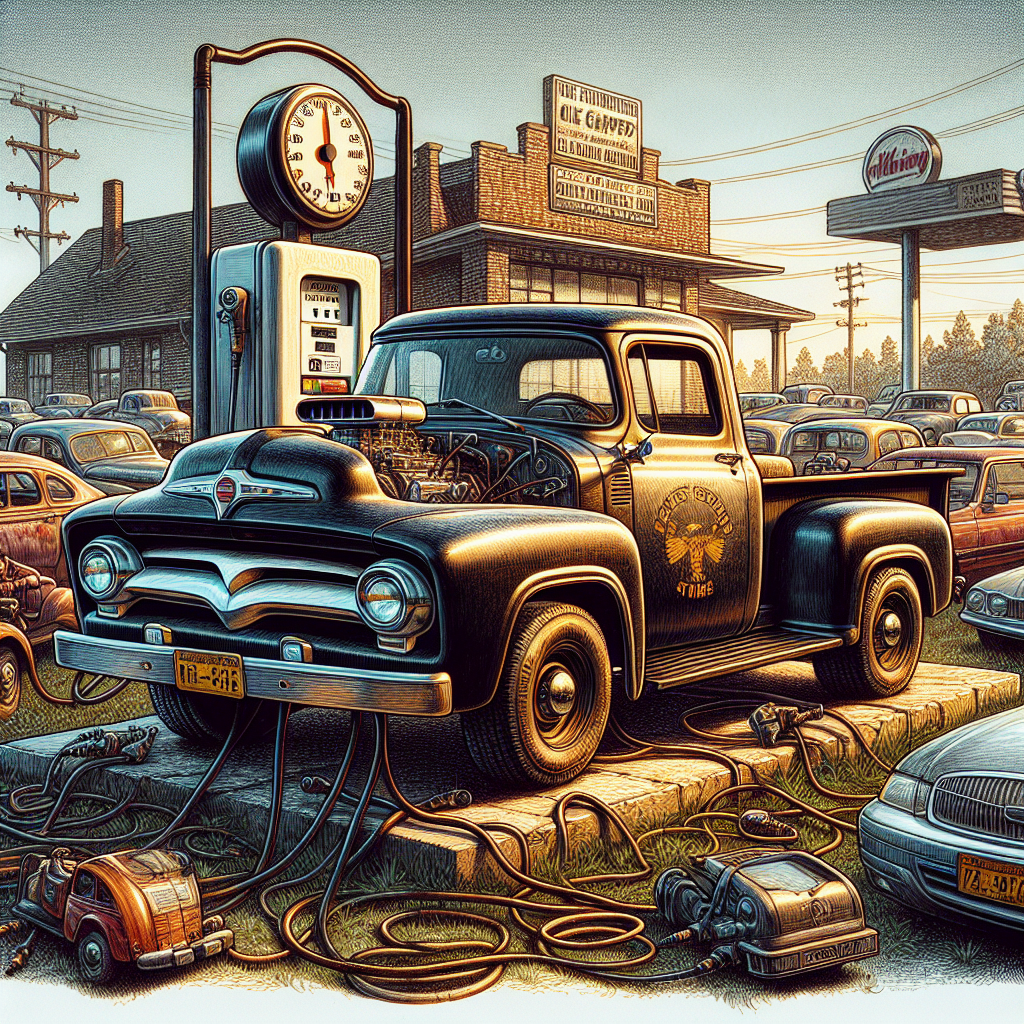

In a world dominated by fuel injection and advanced engine technologies, the carbureted engine remains a nostalgic symbol of simpler times in the automotive landscape. Surprisingly, the last carbureted pickup truck to roll off U.S. assembly lines lingered on well into the 1990s, defying the rapid transformation of the industry. This nostalgic vehicle not only represents a bygone era but also serves as a reminder of the enduring love for traditional engine technology among automotive enthusiasts.
The final carbureted pickup was produced by Chevrolet, marking a significant transition period in automotive design. While most manufacturers had reluctantly embraced electronic fuel injection due to stricter emissions regulations and the pursuit of better fuel economy, Chevrolet held on to the carbureted option until 1998. For many truck enthusiasts, this choice created a uniquely nostalgic experience, connecting drivers to a rugged past where carburetors ruled the road.
For those unfamiliar with the mechanics, carburetors work by mixing air and fuel to create a combustible vapor, which is then drawn into the engine. This system, while beloved for its straightforward design and ease of modification, has been largely replaced by fuel injection systems that offer improved efficiency and performance. The persistence of carburetors in the late 20th century exemplifies the tension between innovation and tradition that defines the automotive industry.
In today’s market, the allure of classic vehicles often contrasts sharply with the array of technologically advanced options available to consumers. Many drivers yearn for the tactile feedback and mechanical simplicity that carbureted engines provide, leading to a resurgence in the popularity of vintage trucks. This growing interest highlights a broader cultural trend where consumers value authenticity and embrace the imperfections of older technology, showcasing a yearning for genuine driving experiences amid the digitized landscape.
In conclusion, the last carbureted pickup truck stands as a testament to an era when machinery felt accessible, and driving was about connection rather than convenience. As automotive technology continues evolving, it is essential to appreciate the roots of our modern vehicles and the unique experiences they offer. Perhaps in a world filled with digital displays and hybrid batteries, there is still space for the soulful roar of a carbureted engine, reminding us of our automotive heritage and the roads that shaped it.