
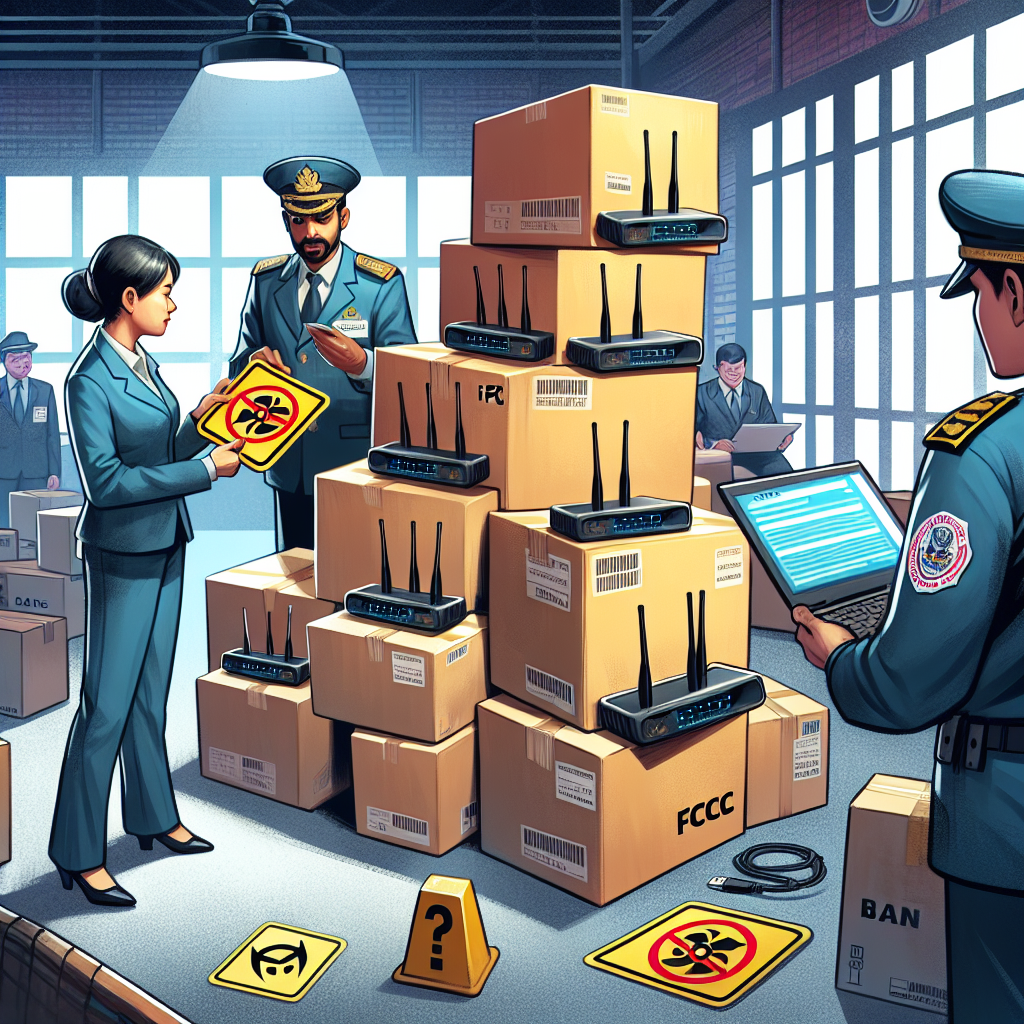

In a surprising turn of events, the Federal Communications Commission (FCC) has taken a decisive step by banning the import of new models of foreign-made consumer wireless routers. This measure follows a thorough assessment by an interagency panel, which concluded that these devices could potentially jeopardize national security. As connectivity becomes increasingly embedded in our daily lives, the fear of foreign interference in communication networks has prompted this stern action. The move signifies heightened vigilance against potential technological threats and is a testament to the growing intersection of technology and national security.
The decision by the FCC underscores the ongoing saga of cybersecurity challenges facing the United States in an era dominated by digital communication. With the exponential rise in Internet of Things (IoT) devices and the reliance on wireless technologies, the risk of cyber espionage and data breaches through seemingly benign consumer products has become a focal concern. The foreign origin of many tech products has often raised red flags, but this marks one of the most comprehensive actions affecting consumer electronics.
For end users, this ban might lead to reduced options in the market and potentially higher costs for routers that meet the new security standards. While this might seem inconvenient, it also underscores the necessity of prioritizing secure and reliable communications infrastructure. Consumers may now be encouraged to scrutinize the tech products they purchase more closely, fostering a more security-conscious market. In the long run, this could drive innovation in producing routers that are both secure and cost-effective domestically.
Industry analysts are keenly observing how this ban will affect foreign tech manufacturers and the broader tech trade landscape. Countries whose companies have been effectively shut out of the lucrative U.S. market might respond with similar scrutiny of American tech products, potentially igniting a tit-for-tat scenario. There’s also speculation about the long-term impact on international tech partnerships; innovation does not thrive in isolation, and the erection of trade barriers could stymie collaborative efforts to address global tech challenges.
In conclusion, the FCC’s ban on wireless router imports serves as a powerful reminder of the delicate balance between fostering technological advancement and safeguarding national security. As the world becomes more interconnected, the measures we take to protect sensitive data and infrastructure are crucial. While this action may disrupt current business practices and consumer habits, it also offers an opportunity to innovate and develop robust, secure technologies that can be trusted both locally and globally. Ultimately, the ban is not just a defensive maneuver but a call to action for the tech industry to elevate security to the forefront of its priorities.